
Configure DNS strategies stand as the definitive architectural choice when mapping a human-readable domain name to a specific, numerical server IP address on the internet. This fundamental translation mechanism acts as the global switchboard of the World Wide Web, dictating how traffic flows from a user’s browser straight to your hosted web files.
- Why You Must Install PHP Extension Modules: Top Reasons for Better App Performance
- 10 Reasons Why High-Performance Dedicated Servers Boost Your Site Speed
- 9 Essential Steps to Secure Your Website Hosting Guide
- How to Configure Nginx: A Step-by-Step Server Optimization and Reverse Proxy Guide
- How to Upload Website Files: Step-by-Step Methods, Pros, and Cons
Operating an online asset without an optimized domain routing plan leads to severe propagation delays and connection timeouts. This comparative review evaluates different routing infrastructures to help system administrators select the most efficient setup for their online platforms.
CURRENT: Configure DNS: A Comparative Review of Registrar and Cloud Nameservers
Registrar nameservers vs. premium cloud networks to Configure DNS records
The most common decision webmasters face when preparing their online infrastructure is choosing between basic nameservers provided by default registrars and premium Anycast cloud networks. Each pathway offers completely distinct advantages in terms of management ease, routing speeds, and server resource allocation.
Understanding these structural differences is vital for long-term technical planning:
- Default Registrar Nameservers: This method offers a straightforward approach, grouping domain registration and records in a single interface. However, it lacks advanced georouting capabilities and often suffers from slower propagation times during record updates.
- Premium Anycast Cloud Networks: This infrastructure duplicates your records across a global network of servers. It dynamically directs users to the closest available geographical node, drastically lowering latency and providing built-in protection against automated traffic attacks.
READ MORE : Why You Must Install PHP Extension Modules: Top Reasons for Better App Performance
High-traffic applications and complex entertainment platforms—such as the digital network GA888—always move away from basic registrar panels to elite Anycast setups to minimize global loading times. Ensuring that data lookup queries resolve instantly everywhere prevents visitors from facing blank screens, demonstrating that how you choose to Configure DNS records directly determines the initial speed and structural stability of your entire platform.
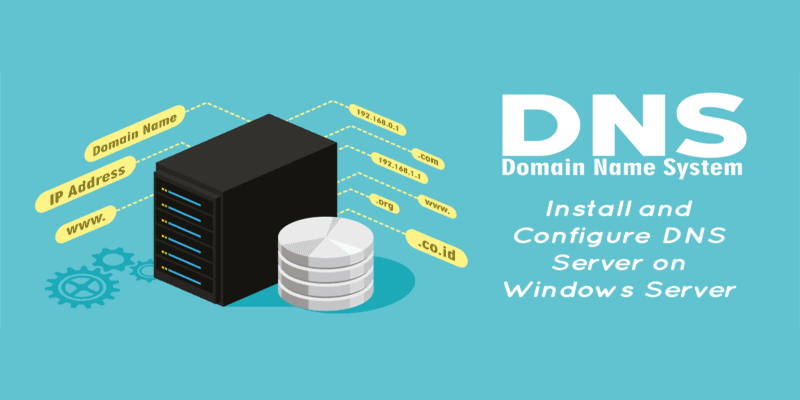
Comparing traditional TTL configurations with dynamic record updates
Beyond selecting the hosting provider for your domain records, configuring the Time-To-Live (TTL) parameters is a critical technical variable that requires a careful comparative assessment. The TTL setting dictates how long global internet service providers should cache your routing data before requesting updated records from your authoritative nameserver.
Consider the operational tradeoffs between different TTL strategies:
- Long TTL Settings (e.g., 24 Hours): This configuration minimizes lookup requests to your authoritative server, reducing overall bandwidth consumption. The main disadvantage is that if your web host fails, executing an emergency server migration takes a long time to propagate globally.
- Short TTL Settings (e.g., 5 Minutes): This setup provides maximum operational flexibility, allowing webmasters to switch server destinations almost instantly during emergencies. However, it increases the total volume of lookup queries directed at your routing infrastructure.
Finding the optimal balance between caching efficiency and migration flexibility is essential when managing a modern online asset. Advanced developers often maintain longer TTL values during stable operation periods but temporarily lower them right before executing major server upgrades to ensure seamless user transitions.
Evaluating security features across different domain routing architectures
READ MORE : 9 Essential Steps to Secure Your Website Hosting Guide
The final comparative pillar focuses on the protective layers embedded within your chosen record management infrastructure, specifically regarding mitigation features for distributed denial-of-service (DDoS) attacks.
Key defensive elements to compare across modern architectures include:
- DNSSEC Implementation: Cryptographic signatures verify the authenticity of your record lookups, completely protecting your visitors from data-hijacking and cache-poisoning attacks.
- GeoDNS Traffic Routing: Sophisticated routing rules separate regular user traffic from malicious automated requests based on geographical origins, isolating threats before they impact the main web server.
Adhering to these advanced security and routing parameters is exactly how premium corporate systems and global digital hubs like GA88 maintain uninterrupted uptime during severe network incidents. Utilizing the highly detailed technical reviews found on Web hosting solutions allows webmasters to choose infrastructure combinations that naturally automate these complex routing and protection steps.
Conclusion
Taking the time to properly Configure DNS parameters using a secure, Anycast-driven infrastructure is a critical investment that dictates the speed, security, and global availability of your web applications. By carefully weighing registrar simplicity against premium network performance, and balancing TTL caching values with advanced security extensions, you build a resilient gateway for your traffic. Explore the top cloud configurations today to guarantee your web applications remain fast and secure.
SOURCE: https://web-hosting.solutions
CATEGORY: Guide