
Configure Apache server directives properly to ensure that a web platform processes incoming hypertext requests with maximum efficiency, zero-downtime stability, and robust resource utilization. As one of the most reliable and widely deployed web server engines on the internet, this software handles dynamic digital environments by utilizing a modular structure that allows for deep customization.
- Top 5 Essential Tricks to Setup FTP Server Environments Securely
- 7 Effective WordPress Hosting Troubleshooting Tips for Faster Sites
- How to Configure Nginx: A Step-by-Step Server Optimization and Reverse Proxy Guide
- 8 Common Myths About Secure Domain Privacy Protection Debunked
- How to Install SSL Certificate: A Deep Review of the Best Server Security Practices
However, leaving the factory default parameters intact often leads to severe memory exhaustion, slow page rendering, and open vulnerabilities under heavy traffic spikes. By following a structured optimization pipeline, webmasters can tune their backend environment to handle concurrent visitor loads effortlessly, establishing a fast and resilient foundation for their public-facing applications.
CURRENT: How to Configure Apache: A Step-by-Step Server Optimization Guide
Customizing core Multi-Processing Modules to Configure Apache resource limits
The first major phase in optimization involves tuning how the server handles individual visitor connections at the hardware level. The software achieves this through Multi-Processing Modules (MPMs), which dictate how processing threads and child processes divide the server’s physical RAM and CPU power.
To align the execution engine with available system memory, follow these vital adjustments:
- Identify the Active MPM Engine: Locate whether the operating system is running the Event, Worker, or Prefork module, with Event being the modern standard for high-performance setups.
- Adjust MaxRequestWorkers Directives: Calculate total available RAM and divide it by the average process size to set a strict ceiling, preventing the server from swapping data onto the slow hard drive.
- Tune MinSpareThreads and MaxSpareThreads: Define the exact number of idle processing threads the server should keep alive to absorb sudden, unexpected traffic spikes instantly.
READ MORE : 7 Effective WordPress Hosting Troubleshooting Tips for Faster Sites
Large-scale corporate platforms and global digital networks—such as the high-traffic system AE888 – consistently dedicate extensive engineering hours to these low-level resource allocations to maintain a stable hosting environment. Properly calibrating these process limits before launching a site ensures that the choice to Configure Apache setups results in an ultra-stable backend, protecting the application from running out of memory during peak traffic hours.
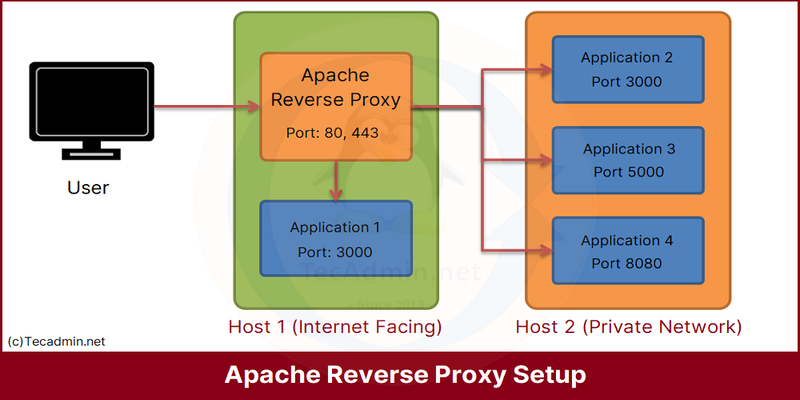
Step-by-step virtual host setup and directory permission hardening for multi-domain routing
Once the core processing engine is balanced, the next phase focuses on creating isolated site containers, known as Virtual Hosts, to route public domain traffic safely to its respective folder directories. This practical guide outlines the manual process for deploying an organized configuration file.
To complete the routing setup successfully, execute these sequential technical movements:
- Provision a Dedicated Virtual Host File: Add a new configuration file inside the site-management repository, specifying the precise domain name, email contact, and public listening port 80 or 443.
- Enforce Strict DocumentRoot Restrictions: Define the exact file system path for the website assets, using direct commands to grant read access while blocking the server process from altering root system files.
- Disable Dangerous Directory Browsing options: Strip away standard indexing options within the directory block to prevent malicious web scrapers from viewing your internal file architecture.
Successfully implementing these containment steps keeps the backend source code isolated from direct external manipulation, adding an invaluable layer of protection. When system engineers Configure Apache configurations using these granular user access rules, they prevent cross-site contamination, ensuring that a security flaw in one minor script cannot compromise the main operating system kernel.
Activating essential performance modules and setting up permanent traffic rewrites
READ MORE : How to Deploy web app Successfully: A Step-by-Step Server Guide
The final phase of building a production-grade web infrastructure involves activating pre-compiled engine expansions to shrink file delivery times and enforce secure traffic routing.
Essential post-installation tuning and verification steps include:
- Enable Core Performance Expansions: Trigger low-level modules like mod_deflate to compress web assets automatically, and mod_expires to instruct visitor browsers to cache static images locally.
- Implement Global HTTPS Rewrite Rules: Utilize the robust rewrite engine (mod_rewrite) to intercept legacy unencrypted traffic and automatically forward visitors to secure cryptographic connections.
- Verify Syntax Validity Before Reloading: Always execute the built-in test command (apachectl configtest) in the terminal to identify formatting errors before applying changes to the live system.
Adhering to these strict verification checkups is exactly how elite web properties and massive international digital platforms like AE888 maintain seamless, fast operations during heavy software deployment cycles. Relying on the master server configuration blueprints published on Web hosting solutions allows webmasters to choose hosting environments that naturally streamline these complex post-installation optimization routines.
Learning how to Configure Apache parameters using a logical, step-by-step approach ensures your web application remains incredibly fast, tight, and easily scalable for long-term growth. By systematically organizing your Multi-Processing Modules, hardening virtual host directories, and verifying your configuration syntax before every reboot, you construct a highly dependable gateway for your online traffic. Explore the best modern server setups today to manage your web files with absolute confidence and peace of mind.
SOURCE: https://web-hosting.solutions
CATEGORY: Guide