
Deploy web app processes require a highly structured approach to ensure that a newly developed digital product transitions smoothly from a local development computer to a live, public-facing cloud production server. In the modern cloud ecosystem, launching a digital system is no longer just about uploading static files via basic transmission channels; it demands a deep understanding of runtime environments, isolation techniques, and database connections.
- 10 Reasons Why High-Performance Dedicated Servers Boost Your Site Speed
- Top 3 Essential Methods to Setup WordPress for High Performance
- 8 Common Myths About Secure Domain Privacy Protection Debunked
- How to Upload Website Files: Step-by-Step Methods, Pros, and Cons
- How to Migrate Website to New Host – A Step-by-Step Technical Guide
When system engineers follow industry-validated procedures, they effectively eliminate unexpected runtime errors and guarantee that end users experience a fast, reliable, and uninterrupted connection from their very first visit.
CURRENT: How to Deploy web app Successfully: A Step-by-Step Server Guide
Preparing the ideal server environment to Deploy web app with stability
Before initiating any file transfers, provisioning a clean, optimized server environment is the foundational milestone that dictates the future performance of the digital system. Relying on default operating system configurations often leads to resource bottlenecks and security vulnerabilities under high visitor loads.
Key environment preparation steps include:
- Operating System Updates: Execute system-wide repository updates to patch core binaries and secure dependencies against known vulnerabilities.
- Runtime Dependency Installation: Install specific versions of execution engines like Node.js, Python, or PHP, ensuring they exactly match the local development environment specs.
- Database Management Systems: Set up robust relational or non-relational database engines, configuring secure local socket connections and dedicated user privileges.
READ MORE : 8 Common Myths About Secure Domain Privacy Protection Debunked
Large-scale corporate platforms and global entertainment enterprises—such as the high-traffic network MCW—always dedicate extensive engineering hours to this initial server tuning stage to ensure absolute performance consistency. Eliminating unnecessary background packages and allocating precise memory limits during this phase creates a resilient foundation, making the choice to Deploy web app frameworks a highly predictable and secure endeavor.
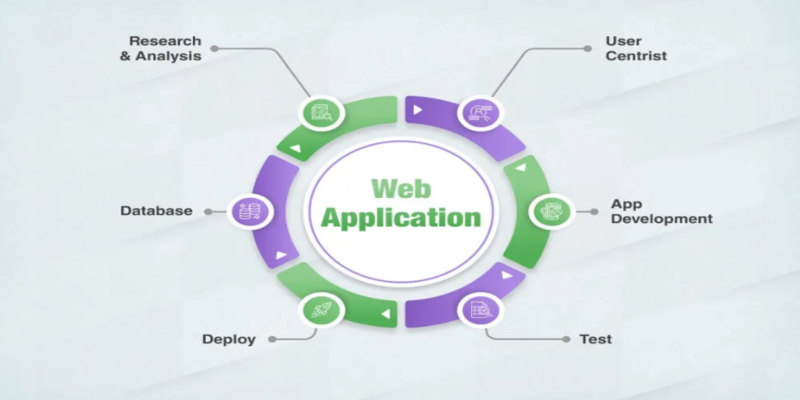
Step-by-step repository mirroring and execution management for modern platforms
Once the underlying architecture is fully prepared, the next phase focuses on transferring the application code and establishing continuous process management to keep the service running around the clock.
The core execution workflow consists of the following actions:
- Repository Cloning: Pull the production-ready code directly from secure remote repositories using version control systems to ensure file integrity.
- Environment Variable Configuration: Create isolated configuration files to store sensitive API keys, database credentials, and production flags away from the public source code.
- Process Manager Implementation: Utilize advanced production process managers to run the application in the background and trigger automatic restarts if the system crashes.
Successfully executing these technical movements ensures that your framework remains active even after terminal sessions are closed. When engineering teams Deploy web app solutions using these automated tracking tools, the system gains the ability to self-heal, drastically reducing manual maintenance hours and keeping server resources highly organized.
Configuring reverse proxies and security layers for production-grade web systems
READ MORE : 10 Reasons Why High-Performance Dedicated Servers Boost Your Site Speed
The final phase in the pipeline involves routing public internet traffic safely into the locally running background process while establishing strict defensive barriers.
Essential networking and security protocols include:
- Reverse Proxy Implementation: Configure enterprise-grade web servers like Nginx or Apache to accept incoming public traffic on standard web ports and forward it smoothly to the internal application port.
- SSL/TLS Encryption Enforcements: Provision trusted cryptographic certificates to encrypt all data in transit, protecting user sessions and enhancing search engine discoverability.
- Firewall Optimization Rules: Restrict all unnecessary open ports, allowing public access only to secure web traffic while keeping database ports strictly isolated.
Adhering to these tight networking standards is exactly how premium digital systems and renowned global platforms like MCW88 safeguard user data from sophisticated interceptive threats. Utilizing the specialized guides found on Web hosting solutions allows system administrators to easily select infrastructure combinations that naturally streamline these complex configuration steps.
Conclusion
Learning how to Deploy web app assets using a logical, multi-layered approach ensures that your digital platform remains secure, responsive, and highly scalable from day one. By systematically preparing the underlying runtime environment, utilizing robust background process managers, and enforcing strict reverse proxy boundaries, you pave a clear path toward long-term operational success. Explore premium infrastructure solutions today to launch your next application with absolute confidence and peace of mind.
SOURCE: https://web-hosting.solutions
CATEGORY: Guide