
How to host a website for maximum speed? Discover how choosing the right hosting plan and server environment can transform your site’s reliability.
- 9 Essential Steps to Secure Your Website Hosting Guide
- Configure DNS: A Comparative Review of Registrar and Cloud Nameservers
- 5 Mistakes to Avoid When Choosing the Best Hosting Solution
- How to Upload Website Files: Step-by-Step Methods, Pros, and Cons
- Top 3 Essential Methods to Setup WordPress for High Performance
Launching an online presence is a critical milestone for any professional or business. Many beginners often ask how to host a website correctly, yet they overlook the technical infrastructure that dictates speed and reliability. Understanding that your hosting provider serves as the digital foundation of your site is the first step toward long-term success.
CURRENT: How to Host a Website – 5 Essential Tips for Better Performance and Uptime
At Web hosting solutions, we advocate for a strategic approach to infrastructure. By focusing on the right environment from day one, you can avoid costly migrations and performance bottlenecks later. Below are the essential strategies to ensure your site remains fast and accessible.
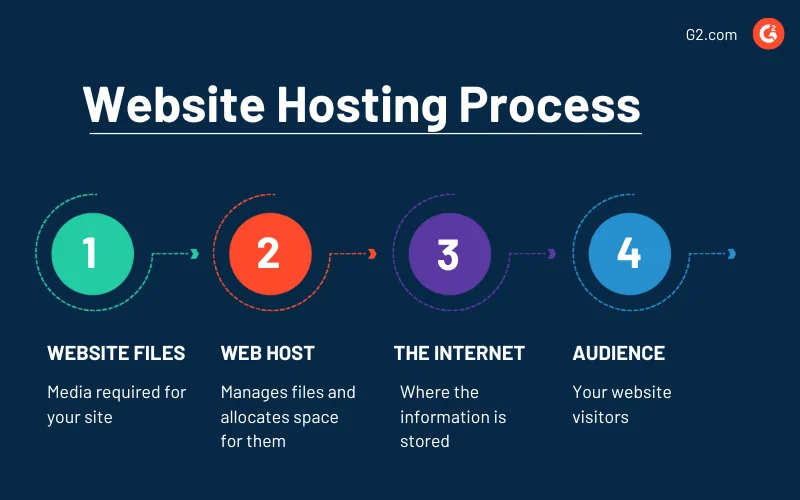
Selecting the Right Infrastructure When Learning How to Host a Website
Before diving into configuration, you must understand the distinct tiers of hosting environments. Entry-level shared plans are affordable for small projects, but they often lack the professional performance guarantees you need.
Choosing how to host a website on the correct platform means matching your traffic goals with the right architecture. A mismatch here is the most common cause of future technical friction.
- Shared Hosting: Budget-friendly, yet limited in raw power and resource isolation.
- VPS Hosting: Provides dedicated virtual resources, making it ideal for growing businesses.
- Cloud Hosting: Offers superior scalability by distributing data across a resilient network.
- Dedicated Hosting: The gold standard for enterprises requiring total hardware sovereignty.
These tiers are critical for maintaining long-term stability. Shared environments may experience performance degradation because of neighboring traffic.
Conversely, cloud and dedicated models offer the consistency that modern applications demand. Your choice should always align with your specific growth trajectory.
READ MORE : Setup Database Options: Pros and Cons of Relational vs Non-Relational Systems
Opting for a scalable solution from the start ensures you can upgrade resources seamlessly. This prevents the frustration of forced migrations during sudden traffic surges.
Furthermore, analyzing your hardware requirements now saves you from costly technical debt later. Selecting an infrastructure that supports your vision ensures your site remains robust, secure, and ready for any future expansion.
Optimizing Server Response Time for Better Performance
Server response time, or Time to First Byte (TTFB), is the most critical metric for your infrastructure. If your server takes too long to respond, no amount of frontend optimization will salvage the user experience.
When you learn how to host a website professionally, you discover that database efficiency is non-negotiable. Slow queries often lead to significant latency, causing visitors to abandon your site before it even finishes loading.
| Optimization Strategy | Benefit | Best For |
| Object Caching | Reduces database query load | Dynamic WordPress/E-commerce |
| HTTP/3 Protocol | Faster connection handshakes | Modern web applications |
| CDN Integration | Minimizes physical distance latency | Global audiences |
| Server-Side Compression | Shrinks data transfer sizes | High-bandwidth media sites |
By implementing these technical optimizations, you ensure your infrastructure is tuned for peak efficiency. A fast server is a core search engine ranking factor that directly impacts your online visibility.
Furthermore, database tuning ensures that information is retrieved as efficiently as the hardware allows. Regularly cleaning your SQL tables will prevent performance degradation over time, which is vital when you how to host a website for high-traffic needs.
Finally, integrating a global Content Delivery Network offloads static asset requests from your primary server. This approach reserves your server’s local compute power for critical, dynamic processing tasks, ensuring your site remains responsive under heavy load.
Implementing Robust Backup and Recovery Protocols
Reliability is the undisputed cornerstone of a professional web presence. Even with elite providers, technical failures, human errors, or malicious cyber-attacks can threaten your data integrity.
READ MORE : 6 Stages to Master the Web Hosting Setup Guide for Beginners
Learning the technical nuances of how to host a website includes mastering the art of disaster recovery. You must prioritize regular, automated backups to protect your business logic.
- Automated Snapshots: Ensure your host provides daily snapshots that allow for instant server-wide rollbacks.
- Off-site Storage: Keep backup copies in a separate location to protect against primary hardware failure.
- Testing Procedures: Periodically restore your site in a staging environment to confirm that your data is fully recoverable.
- Granular Recovery: Use tools that allow you to restore individual files instead of the entire site.
Prioritizing these specific protocols provides immense peace of mind for site owners. It ensures that in the event of an unexpected outage, your site can be restored in mere minutes.
This proactive stance maintains your reputation and prevents significant uptime losses. Without a solid recovery plan, you risk losing valuable content and customer trust during a crisis.
Therefore, treat backup management as a core part of your server maintenance routine. A robust recovery strategy is what truly separates a hobby site from a professional, reliable digital platform.
Securing Your Digital Perimeter Against Common Threats
Security is inherently linked to your site’s overall uptime. Many websites experience avoidable downtime due to brute-force attacks or malware injections that compromise vital server resources.
Prioritizing proactive defense mechanisms, such as firewalls and SSL certificates, is a fundamental part of maintaining a healthy environment. When you learn how to host a website securely, you establish a hardened perimeter that prevents unauthorized access, ensuring your server remains stable, protected, and fully available for your legitimate users at all times.
- Web Application Firewall (WAF): Filters malicious traffic before it reaches your application layer.
- Two-Factor Authentication: Adds an essential layer of protection to your hosting and domain control panels.
- Regular Updates: Ensure your CMS, plugins, and server software are patched against known vulnerabilities.
- Malware Scanning: Utilize automated tools to detect and quarantine suspicious files in real-time.
A secure site is a stable site. By hardening your environment, you prevent the unauthorized access that frequently leads to blacklisting and service interruptions, keeping your business running smoothly.
Conclusion
In conclusion, mastering the essentials of how to host a website is the foundation for any successful online venture. By carefully selecting your infrastructure, prioritizing server security, and maintaining rigorous backup schedules, you ensure peak performance and constant uptime. Investing time in these technical strategies now prevents future headaches and supports your long-term digital growth. Remember that understanding how to host a website effectively is a continuous process of monitoring and optimization for your unique business needs.
SOURCE: https://web-hosting.solutions
CATEGORY: Guide