
Understanding web server types ensures your site runs smoothly. We break down the most popular server software to help you make an informed hosting decision.
- 9 Essential Steps to Secure Your Website Hosting Guide
- 6 Stages to Master the Web Hosting Setup Guide for Beginners
- How to Upload Website Files: Step-by-Step Methods, Pros, and Cons
- How to Migrate Website to New Host – A Step-by-Step Technical Guide
- 10 Reasons Why High-Performance Dedicated Servers Boost Your Site Speed
Selecting the correct foundation for your digital project begins with technical knowledge. Understanding web server types is the most critical step for any developer or business owner aiming for optimal performance. At Web hosting solutions, we believe that clear insight into your infrastructure allows for better decision-making and long-term site scalability.
CURRENT: Everything You Need to Know About Understanding Web Server Types
A web server acts as the central engine responsible for processing incoming network requests and delivering content to your visitors via HTTP or HTTPS protocols. When you begin understanding web server types, you quickly discover that each software engine manages these data streams using distinct technical methodologies.
Some servers are optimized specifically for high-concurrency environments, while others prioritize modularity and ease of configuration for developers. At its heart, understanding web server types involves analyzing how the software handles connections between the server’s hard drive and the end user’s browser.
- Request Processing: The fundamental cycle of receiving a data request and delivering the requested files or dynamic scripts.
- Static File Delivery: How efficiently the engine serves fixed assets like images, CSS files, and HTML documents without extra processing.
- Dynamic Execution: The ability of the server to interface with backend languages to generate content on the fly.
- Memory Footprint: How much system RAM the server utilizes to maintain active connections with your site visitors.
Gaining this foundational knowledge helps you identify which specific environment best fits your current workload. A simple personal blog typically requires very different server capabilities compared to a large-scale international e-commerce storefront. Making the right choice ensures your foundation is solid.
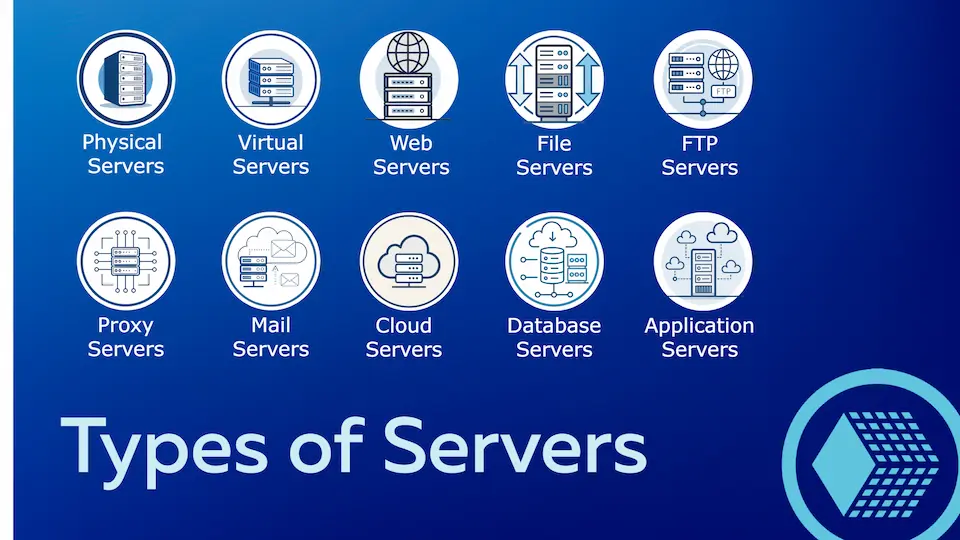
Comparing Leading Server Technologies for Understanding Web Server Types
There are several industry-standard engines used across the globe to power modern websites. By understanding web server types and how they function, you can select the technology that minimizes latency and maximizes throughput for your specific digital project.
READ MORE : How to Configure Nginx: A Step-by-Step Server Optimization and Reverse Proxy Guide
Each major technology offers unique advantages regarding speed, security, and integration with your content management system.
- Apache: Renowned for its modular design, it provides broad compatibility and supports a vast range of legacy configurations. It remains the most widely used choice for general-purpose hosting.
- Nginx: Gaining significant traction due to its lightweight, event-driven architecture. It excels at handling thousands of concurrent connections, making it ideal for high-traffic applications.
- LiteSpeed: Specifically optimized for performance-critical environments like WordPress. It features high-speed built-in cache support, significantly reducing page load times for dynamic content.
- Microsoft IIS: Designed primarily for the Windows ecosystem. It provides seamless integration for enterprises utilizing ASP.NET and other proprietary Microsoft technologies.
When you are understanding web server types, remember that your choice directly affects how your site handles traffic spikes. Apache is highly flexible, but Nginx or LiteSpeed often outperform it in raw speed tests under heavy loads. Assessing these performance strengths against your site’s resource needs is essential for long-term reliability and success.
How Server Architecture Influences Understanding Web Server Types
The physical and logical structure of your server infrastructure directly dictates how quickly your visitors see your content. Understanding web server types involves recognizing that some engines are lightweight and fast, while others are feature-rich but resource-heavy, impacting your overall load times.
If your server architecture struggles with concurrent connections, your site will inevitably slow down, regardless of how well your code is written. Choosing the right architecture ensures that your database queries and media files are served with minimal latency and high efficiency.
- Throughput Efficiency: This refers to the number of simultaneous users your architecture can support without degradation. High-performance engines use event-driven models to keep this number high.
- Resource Management: Keeping CPU and RAM usage balanced is vital. A well-chosen server architecture prevents individual processes from consuming too much memory under load.
- Caching Capabilities: Many modern server types include integrated caching layers. These features prevent repetitive server processing, which is key to understanding web server types and maintaining a snappy, responsive browsing experience.
Focusing on these architectural differences helps you avoid common performance bottlenecks before they occur. You should always prioritize an engine that complements your specific application stack and unique traffic profile to ensure consistent site speed.
Selecting the Right Engine for Your Business
Your specific business goals dictate the technical requirements of your server infrastructure. Whether you are building a professional portfolio, a corporate landing page, or a high-volume global portal, your choice will significantly influence site uptime, user experience, and overall revenue. Understanding web server types is not just about raw power; it is about aligning your server’s capabilities with your primary operational needs and long-term scaling strategy.
READ MORE : How to Install SSL Certificate: A Deep Review of the Best Server Security Practices
Look for a hosting provider that offers flexibility in their server configurations and stack options. As your project grows, your demands will inevitably shift, requiring a server technology that can handle increased requests without forcing you into a full, disruptive site migration.
To help you decide, compare the primary business drivers for each server architecture:
| Business Need | Recommended Engine | Why? |
| Blogging/Content | LiteSpeed | Optimized caching for CMS speed |
| High-Traffic App | Nginx | Superior handling of concurrent users |
| Legacy Systems | Apache | Maximum compatibility with old scripts |
| Windows Enterprise | Microsoft IIS | Native support for .NET frameworks |
When making your final decision, consider these three critical factors:
- Scalability Requirements: Does the server software easily accommodate growth in user traffic as your brand expands?
- Support & Community: Is there a robust ecosystem of developers and documentation available to troubleshoot potential technical issues?
- Compatibility: Does the server engine support your chosen CMS, programming languages, and necessary database configurations out of the box?
Matching your project to the right server software provides a stable, professional foundation. This proactive selection process prevents the need for costly, disruptive changes in the future, effectively saving your business both time and money.
Conclusion
Mastering the fundamentals of server technology is essential for any modern website owner. By actively understanding web server types, you secure better performance, higher reliability, and a smoother user experience. Always review your specific technical requirements before making a choice to ensure your hosting setup is perfectly tuned to support your long-term digital ambitions.
SOURCE: https://web-hosting.solutions
CATEGORY: Guide